The Hidden Power of Side Hustles


Side hustles are increasingly common as employees seek additional income, self-expression, and development beyond their primary roles. When thoughtfully managed, these activities can enhance confidence, skills, creativity, and engagement at work rather than simply distracting from core responsibilities. Organizations that recognize and channel the benefits of side hustles—while managing conflicts of interest and workload—can turn a perceived risk into a strategic advantage for productivity, retention, and innovation.
What types of side hustles do employees typically pursue?
Side hustles generally fall into three categories: passion projects with long-term income potential, skill-based freelancing that extends core expertise, and low-touch digital income streams such as microtask platforms or gig economy apps.
Should managers treat employee side hustles as a warning sign?
Not automatically. Side hustles can signal financial ambition, career stagnation, or a desire to learn. While genuine risks like conflicts of interest or IP issues must be addressed, many side hustles reflect initiative rather than disengagement.
What are the organizational benefits of employees having side hustles?
Benefits include increased employee confidence, accelerated skill development, greater creative fulfillment, reduced compensation pressure, and occasional access to innovations or ventures that may complement the employer's work.
What risks should organizations monitor when employees have side hustles?
Key risks include breaches of employment contracts, intellectual property conflicts, direct competition with the employer, and conflicts of interest involving clients or partners. Clear policies help manage these without penalizing all outside work.
How can organizations create a constructive approach to side hustles?
Organizations can establish transparent policies, encourage open disclosure, and design leadership practices that distinguish harmful conflicts from beneficial outside work—treating side hustles as a potential asset to engagement and productivity.
Burning the midnight oil after primary working hours is not a new phenomenon. Managing multiple gigs has long existed, but digital platforms and remote work have made it far easier for employees to diversify their income beyond a single employer. While simultaneously managing multiple responsibilities can, in some cases, reduce focus or lead to cutting corners, side hustles can also give employees greater autonomy, creative expression and a deeper sense of personal fulfillment. Rather than treating every side project as a threat, organizations benefit from understanding when and how side hustles enrich employee productivity and well-being.
Popular side hustles or gigs after work
The internet has opened numerous paths for individuals to build a side business from home, alongside more traditional in-person roles, such as night-shift security or hospitality work. In practice, side hustles typically fall into several broad categories:
- Passion projects that turn personal interests into potential future income streams. For instance, a gaming enthusiast might spend evenings designing and publishing an indie game, initially without profit, but with long-term earning potential
- Skill-based freelancing that leverages an employee’s core expertise in a more flexible or entrepreneurial context. A software developer, for example, might freelance on e-commerce implementations or niche product features beyond their day job
- Low-touch digital income streams such as microtask platforms or money-earning apps, which require limited attention and can be managed alongside full-time work. These may include get-paid-to platforms or participation in the local gig economy through short, task-based assignments
Each type of side hustle requires a different level of time, focus and emotional energy from the employee. Organizations that reflexively assume employees cannot perform multiple roles effectively risk overlooking the nuance: side hustles can both, consume and replenish energy, depending on design and motivation.
Are employees’ side hustles a red flag?
Many managers instinctively see side hustles as distractions or early signs of disengagement and attrition. Concerns range from declining performance and schedule conflicts to fears that employees are preparing to leave or competing with their employer. However, treating all side hustles as red flags oversimplifies a complex phenomenon. Employees take on side hustles for different reasons that can reveal valuable signals:
- Financial motives may indicate either increased financial ambition or that current compensation no longer aligns with cost of living or personal goals
- Career stagnation can prompt side projects as outlets when employees feel underutilized or lack opportunities for meaningful ownership and growth in their primary role
- Learning and experimentation drive some individuals to test new skills, industries, or business models through practice, which can later benefit the employer
It remains essential to ensure that side hustles do not breach employment contracts, infringe on intellectual property, compete directly with the organization, or create conflicts of interest with clients or partners. The more constructive approach is to identify and address legitimate risks while recognizing that side hustles can also be signs of initiative and drive.
Companies should encourage side hustles
Despite fears of distraction or unexpected resignations, organizations can derive substantial benefits from employees who actively develop side hustles. These benefits can be grouped into several dimensions.
Confidence in one’s abilities
Side hustles that gain traction often increase employees’ confidence in their skills and judgment. Successfully shipping a product, building a client base, or managing a small operation end-to-end can encourage employees to speak up, propose new ideas and own outcomes more assertively at work. This confidence can translate into greater initiative, higher quality decisions and a stronger sense of accountability in their primary role.
Further skill development
Side hustles, particularly those aligned with an employee’s existing competencies, provide a powerful channel for ongoing skills development at no direct training cost to the employer. Freelancers often adopt new tools, workflows and technologies faster than formal corporate training cycles can accommodate. Exposure to diverse clients, industries and constraints sharpens problem-solving capabilities and broadens the employee’s perspective, enriching their contributions back in the organization. In many cases, employees also gain exposure to new workflows, tools, and technology advice that benefit your organization through improved processes, fresh ideas, and stronger problem-solving skills.
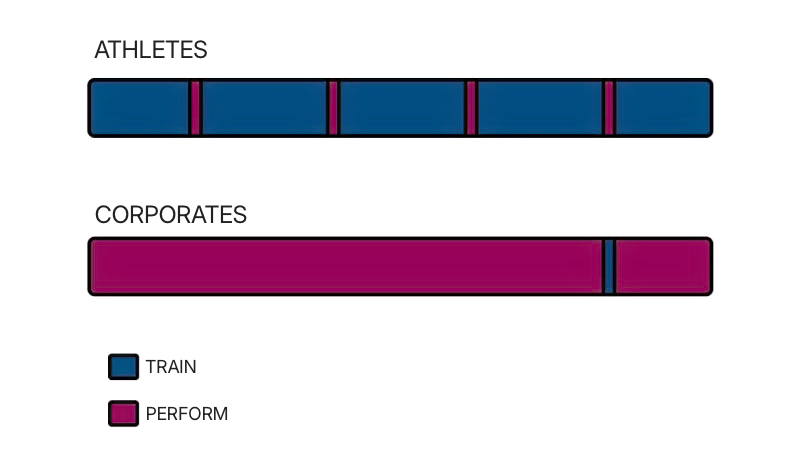
Self-expression and fulfillment
A lack of psychological fulfillment — feeling underutilized, constrained, or unable to express one’s identity — is a major driver of turnover even in roles with competitive pay. Side hustles can provide an outlet for creativity, autonomy and value alignment that an individual’s primary job may not fully satisfy. When employees have meaningful avenues for self-expression outside work, they may experience less frustration and be more resilient to day-to-day workplace stressors.
Less pressure for salary increases
Although not all side hustles generate substantial income, they can supplement earnings enough to reduce the frequency or urgency of salary increase requests. Employees who manage to cover financial gaps through external projects may feel less immediate financial pressure at work, which can ease compensation tensions in the short term. However, organizations should avoid exploiting this dynamic or delaying fair pay adjustments simply because employees appear financially buffered through other work.
Investment opportunities and innovation
Some side hustles evolve into credible ventures that complement the employer’s ecosystem. When employees are transparent about their projects, organizations may have a chance to invest, partner, or pilot solutions early, gaining access to fresh ideas and innovations. Any such relationship must be governed with clear boundaries and strong governance to avoid ethical, legal, or power imbalances, but it can become a mutually beneficial path for innovation and talent retention.
Taken together, side hustles can serve as a powerful engine for both personal and organizational growth when managed thoughtfully. Employees who run side projects often demonstrate higher levels of creativity, initiative and learning orientation, traits that generally correlate with stronger performance in knowledge-based roles. For organizations, the real question is not whether side hustles exist — they already do — but how to design policies, culture and leadership practices that harness their benefits while mitigating genuine risks. When leaders respond with curiosity, clear expectations and supportive structures, side hustles become not a distraction, but an asset to employee productivity and engagement.
Side hustles are no longer fringe activities; they are a structural feature of modern careers, particularly for knowledge workers who have access to digital platforms and flexible work arrangements. For organizations, the critical question is whether these additional roles erode or enhance employee productivity. Evidence and practice increasingly suggest that, when handled thoughtfully, side hustles can foster greater confidence, richer skill sets and deeper engagement among employees, often at minimal direct cost to the employer. The risks — conflicts of interest, performance decline and retention concerns — are real, but they can be mitigated through clear policies, transparent dialogue and fair governance.
Citation
Cite this article
Sridharan, M. A. (2025, August 17). The Hidden Power of Side Hustles. Think Insights. https://thinkinsights.net/consulting/hidden-power-side-hustles (Accessed [[ACCESS_DATE]])
Sridharan, Mithun A. "The Hidden Power of Side Hustles." Think Insights, 17 Aug. 2025, https://thinkinsights.net/consulting/hidden-power-side-hustles. Accessed [[ACCESS_DATE]].
Mithun A. Sridharan, "The Hidden Power of Side Hustles," Think Insights, August 17, 2025, https://thinkinsights.net/consulting/hidden-power-side-hustles. Accessed [[ACCESS_DATE]].
Sridharan, M.A. (2025) 'The Hidden Power of Side Hustles', Think Insights. Available at: https://thinkinsights.net/consulting/hidden-power-side-hustles (Accessed: [[ACCESS_DATE]]).
M. A. Sridharan, "The Hidden Power of Side Hustles," Think Insights, 2025. [Online]. Available: https://thinkinsights.net/consulting/hidden-power-side-hustles. [Accessed: [[ACCESS_DATE]]].
Sridharan MA. The Hidden Power of Side Hustles. Think Insights. Published August 17, 2025. Accessed [[ACCESS_DATE]]. https://thinkinsights.net/consulting/hidden-power-side-hustles
Test Your Knowledge
The Hidden Power of Side Hustles
Challenge yourself on the concepts from this article and see how well you understood them.
Subscribers get weekly quizzes and insights — subscribe free
Sponsor this article
Partner with Think Insights
Reach 50,000+ business leaders, consultants, and strategists. Feature your brand alongside expert articles on strategy, leadership, and digital transformation.
Become a Sponsor